The Garden of Identity
A Tapestry of G-d's Design
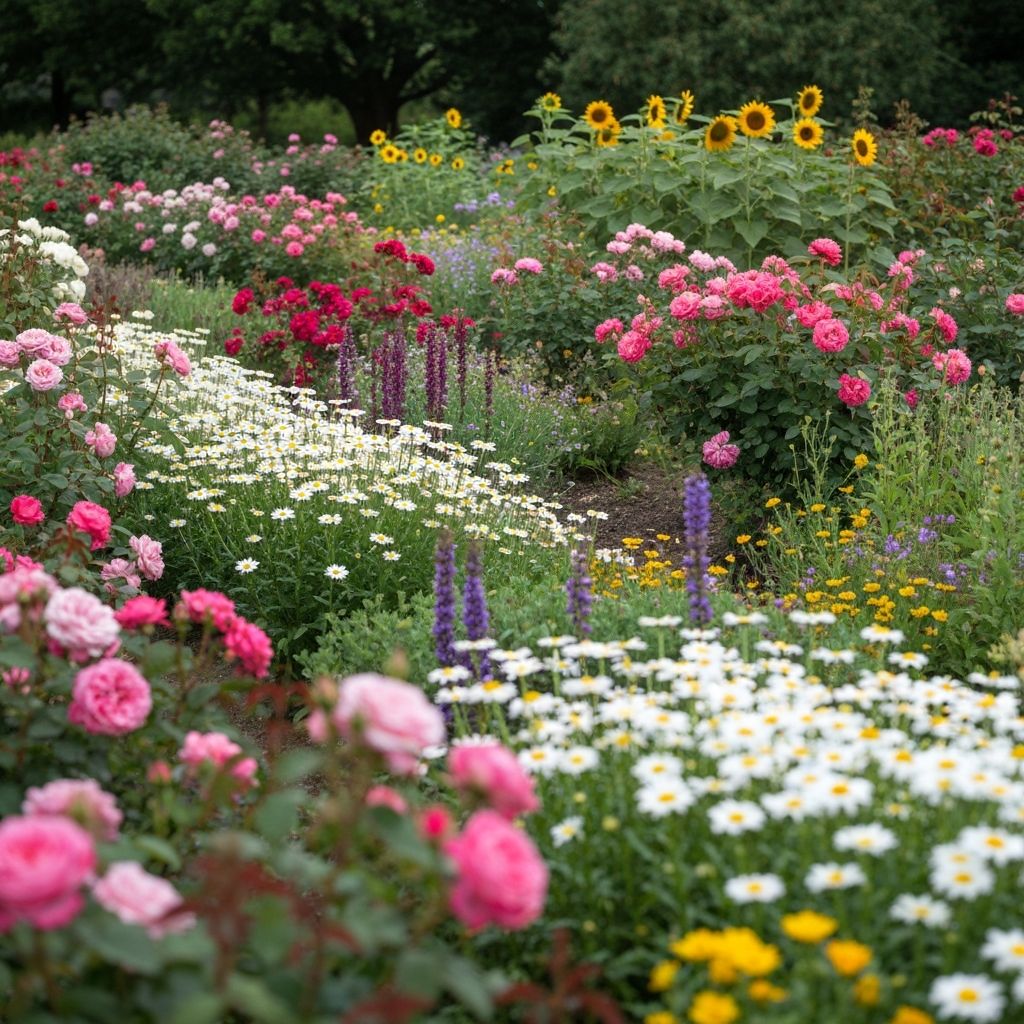
Imagine a vast and ancient garden, stretching further than the eye can see. This isn't just any garden; it's G-d's Garden of Humanity. In it, every person is like a unique plant, blooming with their own special colors, fragrances, and strengths.
The Gardener's Intent: Why Variety Blooms
Sometimes, people look at a flower that's a blend of two different hues – perhaps a rose with petals that swirl from deep crimson to soft peach – and they wonder, "Is it really a proper rose? What kind of rose is it?" They might even suggest it's confused, or not quite right.
But the Master Gardener, who designed every seed and every bloom, doesn't see confusion. He sees beauty. He sees a new creation, a vibrant expression of His boundless imagination. He delights in the unexpected burst of color, the sweet fragrance, the resilience and the uniqueness of a plant that carries the strengths of two different lineages.
Think about a field of wildflowers. Each one is distinct—a tall, purple coneflower next to a delicate white daisy, a bright yellow sunflower reaching for the sky while a patch of vibrant red poppies carpets the ground.
Would anyone say one is "better" than the other? Or that the garden would be more beautiful if all the flowers were exactly the same? Of course not! The splendor of the field is its diversity. Each flower contributes its own unique beauty, and together, they form a breathtaking tapestry.
Perspective Shifter Tool
Use this interactive tool to help reframe worldly labels into biblical truths about identity and belonging.
The World's Label
Identity Fluidity
You can choose your identity based on how you feel. Your identity is a social construct that can change day-to-day. You must pick a side or label to belong.
The Biblical Truth
Fixed Design
Your identity is a gift from G-d, written into your very DNA. You don't create it; you discover it. You are exactly who G-d designed you to be—a unique masterpiece carrying the heritage of all your ancestors.
Click the topics above to explore different perspectives
Activity Lab
Rooted in Truth: A Heritage Map
A practical activity to help your child map their biological roots while centering their identity in the Imago Dei.
What You'll Need:
- •Printed worksheet (one per child)
- •Colored pencils or markers
- •Family photos (optional)
- •A quiet space for reflection and conversation
PDF - 1.2MB